
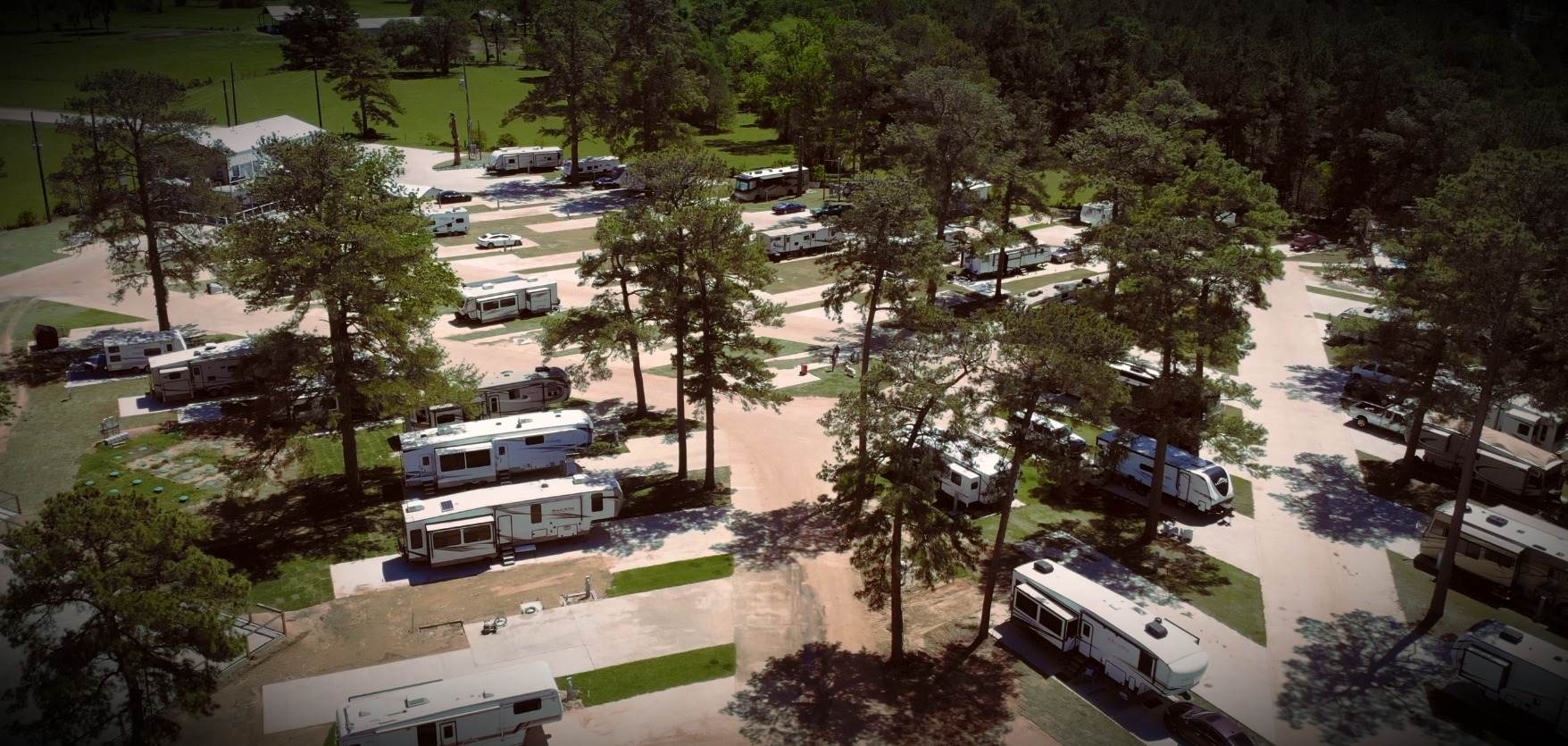
Trading a fixed address for life on wheels is one of the most freeing decisions an RVer can make — and one of the most practical, especially in a state as RV-friendly as Texas. But full-time living is a different animal from vacationing. A few things are worth sorting out before you pull in the slides for good. Here is a practical starter guide to full-time RV living in Texas, grounded in the realities of the Gulf Coast.
A quick note: the information below is general and meant to get you pointed in the right direction. It is not legal, tax, or insurance advice. Rules change and every situation is different, so confirm the specifics with the county, the state, and a qualified professional before you make decisions.
Domicile and mail: giving your life an address
When your home moves with you, you still need a legal “domicile” — the state you call home for your driver’s license, vehicle registration, voting, taxes, and insurance. Texas is a popular choice for full-timers, in part because it has no state income tax and a well-established network of mail-forwarding services that give you a real street address. In broad strokes, establishing domicile usually involves setting up a mailing address, registering and insuring your vehicles in the state, getting a Texas driver’s license, and updating your records to match. The exact steps and documentation are set by the state and county, so treat this paragraph as a starting map, not the final word — verify the current requirements before you file anything.
For day-to-day mail, most full-timers use a forwarding service or a park that can receive packages for them. Decide early how you want your mail handled, because it touches everything from banking to prescriptions.
Two related items deserve a look while you are at it: insurance and registration. Full-time RV insurance is a distinct product from the policy that covers a weekend camper, because your rig is now your residence, and a standard recreational policy may leave gaps. Likewise, keeping your vehicle registration and inspection current in your domicile state keeps you on the right side of the law as you travel. Neither is complicated, but both are easy to overlook in the excitement of hitting the road — so put them on the list and confirm the details with a licensed agent and your county tax office.
Preparing for Gulf Coast weather
Texas weather near the coast has two personalities, and full-timers meet both. From late spring through early fall, the heat and humidity are relentless. Your rig’s air conditioning will run hard, so keep the roof and seals in good shape, use reflective shades, and consider a second A/C unit or a soft-start device if you run on a single 50-amp connection. Shade is your friend — a site under mature trees can drop the felt temperature noticeably.
Then, a few times each winter, a hard freeze sweeps down and catches people off guard. Even in the Houston area, overnight temperatures can dip below freezing for a day or two. Protect your water hose and connections with heat tape or a heated hose, keep a cabinet door or two open to let warm air reach the plumbing, and know where your low-point drains are. A little freeze prep beats a burst line every time. The takeaway: plan for long stretches of heat and the occasional sharp cold snap, and you will be comfortable year-round.
Budgeting for utilities
One of the biggest shifts from vacationing to full-timing is that utilities become a monthly line item. Many parks include water and sewer in a monthly rate but bill electricity separately by the kilowatt-hour, because a full-timer running two air conditioners in August uses far more power than a weekend guest. Metered electric is the fair way to do it — you pay for what you use.
As an example of how that looks, Hidden Lake RV Resort bills monthly guests for electricity at a metered rate of $0.16 per kilowatt-hour. Your actual monthly bill depends on your rig, your appliances, and the season, but knowing the rate lets you estimate. A useful habit: check your pedestal meter weekly for the first month so you learn your own usage pattern and can budget without surprises. (Quoted utility rates are subject to change and do not include applicable taxes.)
Finding your community
Full-time RVing has a reputation for solitude, but the happiest full-timers will tell you the opposite is true — the community is the best part. A good long-term park is a neighborhood on wheels, with potlucks, cookouts, game nights, and neighbors who look out for one another. When you are choosing where to settle for a season, weigh the social life as heavily as the hook-ups. Parks that host regular events — cookouts, crawfish boils, movie nights, seasonal gatherings — tend to attract the kind of friendly, welcoming crowd that makes full-timing feel less like camping and more like coming home.
A getting-started checklist
- Choose and establish your legal domicile (verify current state and county requirements)
- Set up reliable mail forwarding or a park that receives packages
- Dial in hot-weather cooling and shade for the long Texas summer
- Assemble a freeze kit — heated hose, heat tape, and a plan for cold snaps
- Learn your electric usage and budget for metered power
- Pick a park with the community and amenities that fit your life
Sort these out and the rest of full-time living gets a lot simpler. The freedom is real, and with a little preparation, so is the comfort.
Looking for a home base near Houston?
Hidden Lake RV Resort in Pinehurst welcomes snowbirds, Winter Texans, and full-time RV families with full 30A/50A hook-ups, concrete roads, complimentary hardwired internet, and metered electricity for monthly guests. Availability is limited, so reach out to find your spot.
Call (832) 662-5432, email [email protected], or start a guest application.